

The Importance of Racialized Data Collection.
Ontario’s Ministry of the Solicitor General has allocated 200 million dollars for the years 2019 to 2022, in support of the Community Safety and Well-Being Strategy. Yet approximately 99% of the 2019 budget went to police forces (Toronto Police Services received $55.4 million on top of their budget of over 1.06 billion).
Cheryl Prescod (Executive Director of the Black Creek Community Health Centre) weighed in on the connection between race, health and bloated police funding. These highly interrelated topics, has been widely brought to the mainstream media’s attention in large part thanks to the Black Lives Matter movement. Remarking on the movement’s response to initial criticisms leveled against them for organizing street protests during a COVID pandemic, Cheryl argues that their perspective is, “I’m not going to die of COVID. I’m going to die of racism,” says Prescod. “That’s much more of a threat to me than even COVID.”
Cheryl Prescod, “There is growing evidence that racialized populations and low-income groups are more at risk of COVID-19. The reasons for this are unclear but could include; Existing health disparities linked to social and economic factors ; Stress caused by racism and other forms of discrimination; Challenges in participating in the public health response to COVID-19, including difficulties in limiting COVID-19 exposure because of being an essential worker, and difficulties in physical distancing because of overcrowding; [and finally], Inequitable access to health care and social services”
By Fabio Heredia-Caslins
(Fabio is a journalist with the FOCUS Media Arts Centre)
Add new comment

FOCUS Media Arts Centre (FOCUS) is a not-for-profit organization that was established in 1990 to counter negative media stereotypes of low income communities and provide relevant information to residents living in the Regent Park area and surrounding communities.
We seek to empower marginalized individuals and under represented communities to have a voice, through the use of professional training, mentorships and participatory based media practices that enable the sharing of stories, experiences and perspectives on relevant matters and issues. In brief our mandate is to empower marginalized individuals and under-serviced communities to have a voice and tell their own stories.
Recent Media
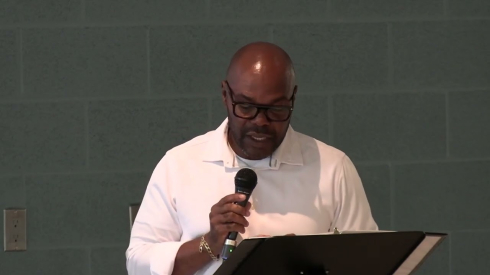
Regent Park Town Hall: Councillor Chris Moise Updates Residents on Key Issues
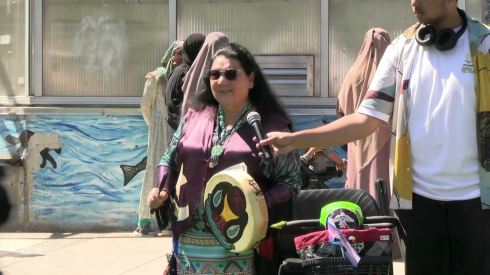
Regent Park Marks 34th Annual Sunday in the Park Celebration
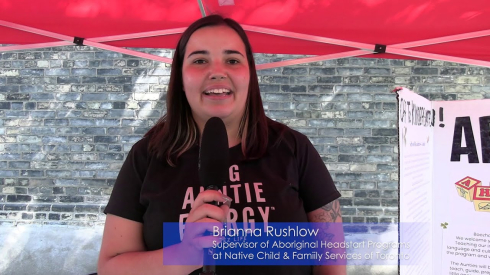
Building Healing Pathways for Families: Inside Native Child’s Work in Toronto
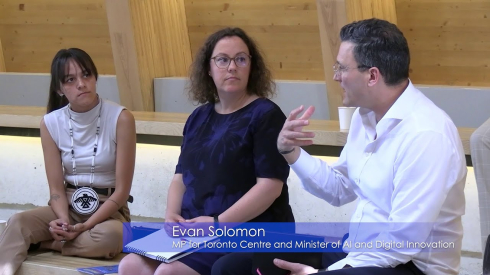
We encourage comments which further the dialogue about the stories we post. Comments will be moderated and posted if they follow these guidelines:
The Community Media Portal reserves the right to reject any comments which do not adhere to these minimum standards.