

- Start playing the video
- Click CC at bottom right
- Click the gear icon to its right
- Click Subtitles/CC
- Click Auto-translate
- Select language you want
Municipal District of St. Stephen Committee of the Whole Meeting for August 2024
The August 2024 Committee of the Whole Meeting for the Municipal District of St. Stephen tackled various pressing community issues, including transitional housing and road conditions. The meeting featured two pivotal presentations aimed at enhancing the community through innovative solutions and practical assessments.
The session began with a proposal from Brent Harris of Saint John Nonprofit’s Vacant to Vibrant initiative, which seeks to convert vacant buildings into transitional housing units. Harris articulated the initiative's goal: "Our aim is to forge strategic partnerships with municipalities and frontline service organizations to address vacancy and create housing opportunities." He highlighted the urgent need for creative housing solutions due to rising housing insecurity and stressed that the initiative has successfully united various organizations to develop a practical model.
Harris’s presentation emphasized that "the housing demand is greater than ever" and noted the concerning loss of tradespeople in the sector. He proposed that vacant commercial properties could be swiftly transformed into housing units at relatively low costs. The Vacant to Vibrant initiative is designed to offer a sustainable response to the housing crisis by leveraging community bonds and partnerships with local nonprofits.
Next, Dillon Consulting Limited provided an update on a road condition assessment and needs analysis. Civil Engineer Taylor McNeill outlined the primary objective: to evaluate the current state of the roads and create a 10-year planning outlook. McNeill reported, "The total replacement value for your road assets is $33 million," stressing the significant investment required for maintenance and improvements. The assessment revealed that 65% of local roads were in poor or very poor condition, necessitating immediate attention.
McNeill presented several budget scenarios, with the recommended option requiring an investment of $16.5 million over 10 years to achieve a satisfactory Pavement Condition Index (PCI). He emphasized the value of preventative maintenance, stating, "Preventative maintenance starts with crack sealing and pothole repairs to ensure roads last as long as they should."
The meeting also addressed community safety, with updates from Mayor Allan MacEachern and Director of Community Services Kev Sumner. Sumner reported ongoing efforts to maintain public spaces.
Most of the discussion focused on managing road repair requests from rural residents. Councillor Brian Cornish proposed a streamlined process, advocating for a dedicated contact number for residents to report issues directly to the Department of Transportation and Infrastructure (DTI). Cornish argued, "We need a tool that our residents can use to address these issues without navigating multiple bureaucratic steps." This proposal sparked a broader discussion among council members, balancing concerns about added bureaucracy with the need for a more efficient system.
Council also considered a proposal to rename the town square. Suggestions from the Business Improvement Area (BIA) and other stakeholders included Station Square and St. Stephen Plaza. Councillor Emily Rodas remarked, "Town Plaza is the least biased name and represents the community vibe," while others highlighted the historical significance of the train station. Council decided to table the discussion until the next meeting to allow for additional public input.
Finally, the council reviewed bylaw L-2, which regulates peddlers, street vendors, transient traders, and buskers. Councillor Wade Greenlaw stressed the need for an updated bylaw to better protect local businesses, particularly in light of the increasing popularity of food trucks. Council agreed to revisit the bylaw, incorporating best practices from other municipalities to balance the interests of local businesses and transient vendors.
Add new comment

Charlotte County television is New Brunswick's only source for independent community television. Since 1993, CHCO-TV has been providing Southwest New Brunswick with locally-produced content made by community it serves.
The mission of CHCO-TV is to promote community media and to encourage, educate and engage residents in Southwestern New Brunswick, to use new media and technology, to improve civic involvement, learn new media skills and enhance the culture, the economy, health and quality of life in New Brunswick.
Recent Media

From Illness to Action: A Family’s Story Sparks a Community Movement
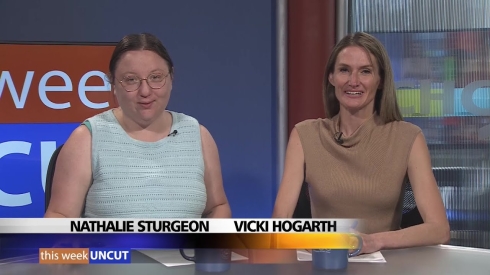
This Week Uncut on CHCO-TV: September 15-21, 2025
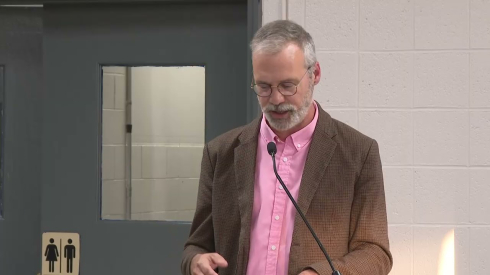
St. Andrews Council Votes Against Going Ahead With Wharf Refurbishment

We encourage comments which further the dialogue about the stories we post. Comments will be moderated and posted if they follow these guidelines:
The Community Media Portal reserves the right to reject any comments which do not adhere to these minimum standards.