


- Start playing the video
- Click CC at bottom right
- Click the gear icon to its right
- Click Subtitles/CC
- Click Auto-translate
- Select language you want
Navigating the Future of New Brunswick’s Healthcare: A Conversation with Dr. Jennifer Russell
In a recent interview on CHCO Television’s Southwest Magazine with host Vicki Hogarth, Dr. Jennifer Russell, now Executive Director of the Institute of Population Health at the University of New Brunswick (UNB), shared her vision for the future of healthcare in the province. Dr. Russell, who played a pivotal role as Chief Medical Officer of Health during the COVID-19 pandemic, discussed the pressing challenges facing the healthcare system and the innovative approach she is taking in her new role.
A New Role with a Bold Vision
Dr. Russell began by outlining the mission of the newly established Institute of Population Health at UNB. “The Institute of Population Health is a brand-new initiative that President Paul Mazerolle asked me to lead, and I enthusiastically accepted,” she explained. The institute's goal is to focus on “upstream prevention” — addressing health issues before they become crises. By emphasizing research, education, and policy analysis, the institute aims to shape preventative healthcare measures that will improve health outcomes across the province.
Tackling New Brunswick’s Healthcare Challenges
When asked about the biggest challenges facing New Brunswick’s healthcare system, Dr. Russell acknowledged that these problems existed long before the pandemic, but the crisis exposed deeper issues. "During the pandemic, things obviously got worse, and the healthcare system in New Brunswick — and across the country — now faces even more challenges, from workforce shortages to limited access to family physicians," she said.
Dr. Russell emphasized the need for prevention in addressing these challenges. From cancer screenings and vaccinations to public health measures like seatbelt and tobacco legislation, upstream prevention can reduce the strain on the healthcare system. “Anything that helps prevent chronic diseases like cancer and dementia is something I’m very interested in,” she added, noting that this approach could significantly improve long-term health outcomes.
Lessons from the Pandemic
Reflecting on her experience leading the province through the COVID-19 pandemic, Dr. Russell discussed the wide-reaching impact of the crisis on public health, particularly regarding mental health and addictions. “The pandemic worsened existing issues, especially when it came to isolation, which increased risks for vulnerable populations such as seniors and youth,” she explained.
Dr. Russell also praised the resilience of New Brunswickers during the pandemic. “I really want to thank New Brunswickers for doing their part during the pandemic; they recognized the severity of the situation and responded accordingly,” she said. The crisis revealed both strengths and weaknesses in the province’s healthcare system, underscoring the importance of collaboration and preparedness for future public health challenges.
Focusing on the Social Determinants of Health
A key element of the institute’s work is addressing the social determinants of health. Dr. Russell explained how factors like housing, safety, education, race, and gender significantly influence overall health and well-being. “Where you live and the environment you’re in all play a crucial role,” she said. By tackling these broader societal issues, the institute hopes to create healthier, more resilient communities.
Looking Forward
Dr. Russell expressed optimism about the future of the Institute of Population Health and its potential to drive meaningful change. “Some days I wake up and think this is my dream job — it’s exciting, and there’s so much potential,” she said. She envisions the institute becoming a sustainable force in improving population health outcomes by implementing data-driven, evidence-based policies that address the root causes of health issues.
Add new comment

Charlotte County television is New Brunswick's only source for independent community television. Since 1993, CHCO-TV has been providing Southwest New Brunswick with locally-produced content made by community it serves.
The mission of CHCO-TV is to promote community media and to encourage, educate and engage residents in Southwestern New Brunswick, to use new media and technology, to improve civic involvement, learn new media skills and enhance the culture, the economy, health and quality of life in New Brunswick.
Recent Media
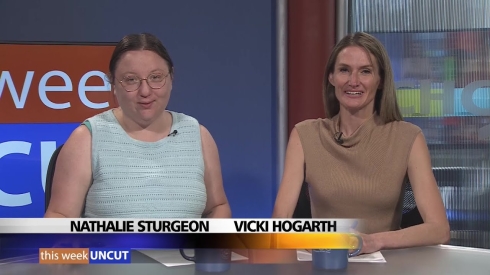
This Week Uncut on CHCO-TV: September 15-21, 2025

From Illness to Action: A Family’s Story Sparks a Community Movement

St. Stephen Committee of the Whole Tackles Active Transportation, Tent Concerns, and Budget Planning


We encourage comments which further the dialogue about the stories we post. Comments will be moderated and posted if they follow these guidelines:
The Community Media Portal reserves the right to reject any comments which do not adhere to these minimum standards.