


- Start playing the video
- Click CC at bottom right
- Click the gear icon to its right
- Click Subtitles/CC
- Click Auto-translate
- Select language you want
The Vital Role of Local Community Television in Vancouver and Canada: Insights from Cathy Edwards
Community television plays a pivotal role in amplifying local voices and fostering connections across Canada. While commercial media often focus on national or global stories, community TV remains a steadfast platform for hyper-local content, offering space for stories and perspectives that might otherwise go unheard. Cathy Edwards, founder and executive director of the Canadian Association of Community Television Users and Stations (Cactus), along with Sherry, an LJI (Local Journalism Initiative) journalist, share their insights into why community television matters now more than ever.
Community television thrives in smaller and remote communities, where national broadcasters often overlook local issues. “We are crucial for communities often left out of the larger media landscape,” says Edwards. These stations, primarily run by volunteers, are often the sole source of hyper-local programming and provide an essential connection for residents. Sherry, who has reported extensively on community stories, agrees: “We tell the stories no one else will. Whether it’s a small-town event or a local hero, our content resonates because it’s real and close to home.”
Despite its undeniable value, community television faces significant financial challenges. The collapse of traditional cable models has slashed a primary funding stream. “We’ve lost our main funding source,” Edwards explains. Additionally, community stations struggle to access Local Journalism Initiative funding, which covers journalists' salaries but not the full cost of production. “We do everything on a shoestring budget,” Sherry notes. “Volunteers are key, but it’s hard to keep up with the demand for content when resources are so limited.”
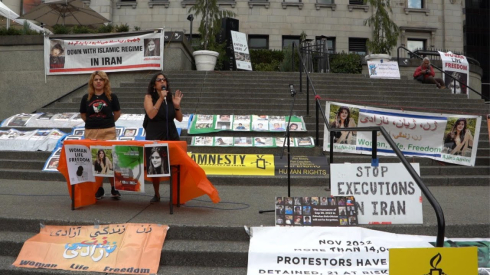
Community television has a proud history of championing diverse and marginalized voices. “We were the first to air LGBTQ+ programs in Canada in the 1980s,” Edwards recalls. Today, the platform continues to uplift underrepresented groups, including Farsi-speaking and Indigenous communities, providing them with a space to share their stories and perspectives.
In response to financial hardships, community stations have had to think outside the box. Many have turned to grants, partnerships with local businesses, and grassroots fundraising events. However, Edwards emphasizes that financial stability ultimately depends on broader community support: “Without local engagement, we risk fading into obscurity.”
The digital age presents both opportunities and obstacles for community television. While online streaming and digital archives have expanded reach, the crowded digital space makes visibility a challenge. “We have to compete in a crowded digital space, which makes it harder to get noticed,” Edwards acknowledges. Nonetheless, embracing digital tools remains crucial for survival and growth.
The future of community television hinges on continued local involvement and sustainable funding. As Edwards wisely puts it, “Community television may not compete with the big guys, but we offer something they can’t – hyper-local content that is real and relevant.” By investing time, resources, and support into community television, Canadians can ensure that these invaluable local voices continue to thrive and enrich the nation's media landscape.
Sherry echoes this sentiment in closing: “It’s more than just TV. It’s a lifeline for our community. We need to keep it going, not just for us but for the next generation of storytellers.” In a world where headlines often feel distant, community TV remains close—reminding us that every story, no matter how small, deserves to be heard.
Guest:
Cathy Edwards, founder and executive director of the Canadian Association of Community Television Users and Stations (Cactus)
LJI Journalist; Sherry Soltani
Skyrise Media Society
Add new comment

Skyrise Media is committed to reflecting the diversity and richness of the local community by providing programming in multiple languages and covering a wide range of topics in greater Vancouver.
Recent Media

Students Build a Bridge to Hope: UBC Club Launches Simorgh Foundation for Iranian Education

Teen Voices: A Call for Safer Public Spaces in Vancouver

From Immigrant Struggle to Community Cornerstone





We encourage comments which further the dialogue about the stories we post. Comments will be moderated and posted if they follow these guidelines:
The Community Media Portal reserves the right to reject any comments which do not adhere to these minimum standards.