


- Start playing the video
- Click CC at bottom right
- Click the gear icon to its right
- Click Subtitles/CC
- Click Auto-translate
- Select language you want
Voices from Vancouver: Iranian Perspectives on the Iran–Israel Conflict
A recent live broadcast from Skyrise Media Society, provided a compelling platform for Iranian voices in Vancouver to articulate their profound and often conflicting emotions surrounding the escalating tensions between Iran and Israel. Hosted by Majid Mahichi, the program delved into the deep-seated anxieties and hopes prevalent within the diaspora, underscoring the enduring connection to their homeland.
Majid Mahichi set a somber tone at the outset, acknowledging the widespread anguish. "Our spirit is still there," he remarked, capturing the sentiment of Iranians whose physical lives are in Canada but whose hearts remain inextricably linked to Iran. This emotional tether, he noted, necessitates more open dialogue and mutual support during these turbulent times.
The discussion quickly revealed a nuanced emotional landscape. Guests expressed a complex blend of sorrow for the suffering endured by ordinary Iranians and a grim satisfaction at the perceived weakening of elements within the Iranian regime, seen as perpetrators of past injustices. Yet, this satisfaction was consistently tempered by the pain of ongoing conflict. Dr. Masoud Esmaeilzadeh, reflecting on the historical burden of the imposed eight-year war, shared his lived experience as a soldier during that era, where a clear sense of national defense unified the people. However, he sharply distinguished the present situation: "This war is not mine," he declared, articulating a widespread disconnect between the Iranian populace and the current regime's military entanglements.
Unity within the Iranian diaspora emerged as a critical, albeit elusive, aspiration. Samira, a participant in the program, voiced her frustration over the internal divisions she observed, even at local solidarity gatherings. "We have not yet learned," she lamented, "this foolishness still prevents us" from standing together. She passionately called for Iranians to set aside ideological differences—whether monarchist or republican—and to "join hands to build our Iran," emphasizing that the fragmentation hinders effective advocacy for their shared homeland.
The panel offered pointed critiques of the Iranian government's role in the conflict and its enduring impact on Iranian society. Dr. Poran Poregbal spoke to the "paradoxes" embedded within the system since the 1979 revolution, arguing that the regime's actions, not the will of the people, have led to the current hostilities. She reflected on the collective pain endured over decades, stating, "Our people have fought with empty hands... and seen nothing but torture, imprisonment, or displacement in various cities around the world." She highlighted the "strange resistance" of the Iranian people, a resilience she believes is unparalleled globally.
Hadi Ebrahimi expanded on the nature of modern conflict, noting the shift from traditional warfare to "cyber warfare," which operates without direct public involvement. He expressed concern about potential foreign intervention, but critically distinguished popular action from state-driven conflict. Ebrahimi also shed light on the Iranian Revolutionary Guard Corps' expanding influence, asserting that their growing control over the nation's economy has "sickened and paralyzed Iran's productive capacities" and "imposed poverty and helplessness on society." He suggested that the regime's recent appropriation of national symbols in its media, rather than solely religious ones, betrays a desperate attempt to garner popular support in its isolated state.
While Dr. Reza Mohaghegh, a registered clinical counsellor and psychiatrist, was introduced in the broadcast and, given his expertise, would likely have offered advice on how Vancouver-based Iranians can support loved ones worried about family in Iran
Despite the prevailing anxieties and internal debates, a collective hope for a future defined by self-determination resonated. The panelists consistently emphasized that the path forward for Iran must be chosen by its people through a free referendum, rather than imposed by any external or internal faction. As Majid Mahichi concluded, the enduring challenge for the Iranian community, both in Iran and in the diaspora, is to navigate their differences with respect, fostering dialogue in hopes of a brighter, self-determined future for their homeland.
Journalist: Majid Mahichi
Skyrise Media Society
Add new comment

Skyrise Media is committed to reflecting the diversity and richness of the local community by providing programming in multiple languages and covering a wide range of topics in greater Vancouver.
Recent Media
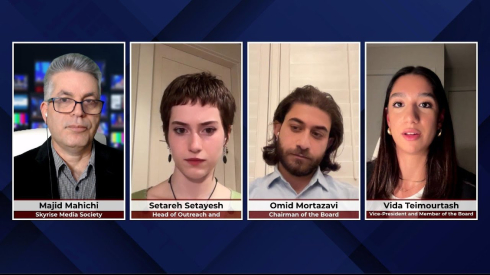
Students Build a Bridge to Hope: UBC Club Launches Simorgh Foundation for Iranian Education
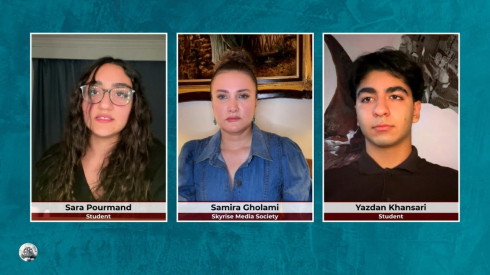
Teen Voices: A Call for Safer Public Spaces in Vancouver

From Immigrant Struggle to Community Cornerstone
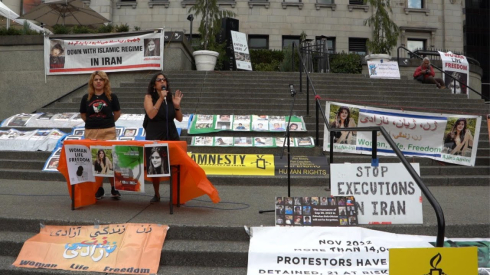


We encourage comments which further the dialogue about the stories we post. Comments will be moderated and posted if they follow these guidelines:
The Community Media Portal reserves the right to reject any comments which do not adhere to these minimum standards.