


- Start playing the video
- Click CC at bottom right
- Click the gear icon to its right
- Click Subtitles/CC
- Click Auto-translate
- Select language you want
Province of Manitoba, Indigenous Leaders Address the Legacy of Residential Schools
Ostensibly an opportunity for the provincial government to indicate how the $2.5 million it had previously pledged to would be distributed, the Indigenous-led day focused on ceremony, the sharing of hard and heartfelt truths, and healing. Rather than referring to dollar amounts, speakers highlighted the work that needed to be done and how they wanted to see it approached.
Almost two dozen speakers took the podium over the course of the afternoon, including indigenous leaders and residential school survivors representing the First Nations, Inuit and Métis communities of Manitoba. Both pain and resilience were evident in speaker after speaker as they spoke of experiences in the schools, contemporary issues such as generational trauma and children in care, and the ongoing efforts to find the bodies of the children who never came home and return them to their peoples.
Many addressed the audience partially or entirely in their traditional language, in an explicit show that what the residential schools tried to take away has survived in spite of them. As well, the day left space for other cultural traditions including ceremonies and prayers preceding the speakers, and music and dance following.
“No amount of money, no amount of apologies, is going to heal anybody,” said residential school survivor and Dakota elder Eleanor Elk. “What needs to happen is to go back to our ceremonies and start healing ourselves.”
It was a sentiment that was echoed many times over the course of the day.
Following the unveiling of a new monument on the grounds of the former Portage Residential School, the event concluded with a round dance and a feast of traditional foods.
While Premier Stefanson and Minister Lagimodiere did not identify how the funding would be distributed during the event, instead ceding the vast majority of the time to other speakers, immediately following the ceremonies they indicated that it would be divided between First Nations, Inuit, and Métis organisations for the development of land searches and community supports.
Add new comment

As Neepawa and area’s local access television station, NACTV has been serving the community since 1977. The station is a community-owned not-for-profit organisation that broadcasts 24 hours a day and reaches homes throughout Manitoba and Canada on Bell ExpressVu 592, MTS Channel 30/1030, and WCG 117 as well as streaming online at nactv.tv.
NACTV’s content is primarily filmed and produced by local volunteers and focuses on issues, activities, achievements, sports, and news by, about, and of interest to our community.
Neepawa is located in western Manitoba, about two hours west of Winnipeg and 45 minutes southeast of Riding Mountain National Park.
Recent Media
Concerned Citizens Reach Out About Sale of Municipal Office
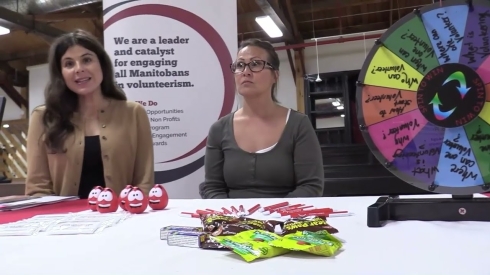
Volunteer Fair Showcases Local Opportunities in Neepawa
Road Issues Continue to Plague RM of Rosedale




We encourage comments which further the dialogue about the stories we post. Comments will be moderated and posted if they follow these guidelines:
The Community Media Portal reserves the right to reject any comments which do not adhere to these minimum standards.