


- Start playing the video
- Click CC at bottom right
- Click the gear icon to its right
- Click Subtitles/CC
- Click Auto-translate
- Select language you want
Women and Addiction Symposium in Moncton Highlights Unique Challenges and Solutions
This Spring, Portage Atlantic hosted the second annual Women and Addiction Symposium in Moncton, an important event aimed at addressing the unique challenges women face regarding addiction. The symposium featured prominent speakers, including Dr. Russell King, former Health Minister of New Brunswick and Chair of the Board of Portage Atlantic, and Heather Chase, Community Developer at Horizon Health. Their insights shed light on the multifaceted issues surrounding women and addiction, offering both a critical analysis and potential solutions. Dr. King and Heather Chase recently joined Southwest Magazine host Vicki Hogarth in the CHCO-TV studio to reflect on the symposium and the progress it is helping to make for women suffering from addiction.
Dr. King began the discussion by highlighting some of the unique challenges women face when dealing with addiction. "One of the common ones, and an important one, is that they don't seek out help or treatment, particularly if they have young children," he explained. The fear of losing their children or being judged by the system often leads women to avoid seeking the help they need. This barrier is compounded by issues such as transportation and societal stigma, making it even more challenging for women to access necessary support.
Heather Chase added to this by emphasizing the societal pressures women face to maintain the family unit. "The push to keep the family intact and keep their children together is something that I hear a lot," she noted. Chase pointed out that during the COVID-19 pandemic, the shift to online addiction support services provided a discreet way for women to seek help without the fear of being seen entering a treatment facility. This anonymity allowed many women, who might otherwise have avoided seeking help, to take the first step toward recovery.
The symposium also focused on the importance of addressing addiction as a public health issue. Dr. King emphasized the need for a holistic approach, stating, "If we start to treat it as a public health issue, it puts the onus on us to think about the causes, to think about what you can do about the causes, to think about the social ramifications of doing nothing or of addressing causes." This perspective encourages a more comprehensive strategy that includes prevention, treatment, and support systems, recognizing addiction as a complex issue that affects not just individuals but entire families and communities.
One of the key topics discussed was the Mother and Child program affiliated with Portage Atlantic. Dr. King explained its significance: "We treat the family unit... The Mother and Child program is a family-supportive organization or endeavour." By providing a safe and supportive environment for both mother and child, the program aims to address the root causes of addiction and offer tailored support that considers the needs of both.
Chase also brought attention to adverse childhood experiences (ACEs) and their long-term impact on individuals. "One of the areas that I focus on is adverse childhood experiences... there's a connection there between adversity in childhood and all of the physical, psychological, and socioeconomic issues that we deal with in society," she said. Understanding and addressing these underlying traumas are crucial for effective addiction treatment and prevention, as they often play a significant role in the development of addictive behaviour.
The symposium highlighted the importance of community involvement and support in addressing addiction. Chase stated, "We live in community together and we have a responsibility for each other." She emphasized the need for a collaborative approach that includes health care, education, justice, and public safety sectors working together to support individuals and families affected by addiction.
The Women and Addiction Symposium in Moncton served as a vital platform to discuss the unique challenges women face regarding addiction and to explore potential solutions. The insights provided by Dr. Russell King and Heather Chase underscored the importance of a holistic, community-based approach to treating addiction, recognizing it as a public health issue that requires comprehensive strategies and support systems. By addressing the root causes and providing tailored support for women and their families, we can make significant strides in overcoming the barriers to effective addiction treatment and support. Stay tuned for the third edition of the Women and Addiction Symposium in 2025.
Add new comment

Charlotte County television is New Brunswick's only source for independent community television. Since 1993, CHCO-TV has been providing Southwest New Brunswick with locally-produced content made by community it serves.
The mission of CHCO-TV is to promote community media and to encourage, educate and engage residents in Southwestern New Brunswick, to use new media and technology, to improve civic involvement, learn new media skills and enhance the culture, the economy, health and quality of life in New Brunswick.
Recent Media
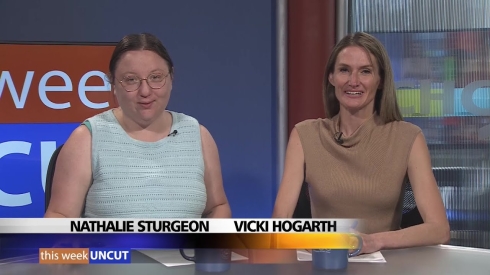
This Week Uncut on CHCO-TV: September 15-21, 2025

From Illness to Action: A Family’s Story Sparks a Community Movement

St. Stephen Committee of the Whole Tackles Active Transportation, Tent Concerns, and Budget Planning





We encourage comments which further the dialogue about the stories we post. Comments will be moderated and posted if they follow these guidelines:
The Community Media Portal reserves the right to reject any comments which do not adhere to these minimum standards.