


- Mettre en route la vidéo
- Cliquer sur l’icône « CC » (Sous-titre) en bas à droite
- Cliquer sur l’icône « Settings » (Paramètre) en bas à droite
- Cliquer sur «Subtitles » (Sous-titres)
- Cliquer sur « Auto-translate » (Traduire automatiquement)
- Sélectionner la langue de votre choix
Behind the ongoing cuts to journalism in Montreal with Steve Faguy
Massive cuts have been seen in Canadian media. CUTV looks into the impact of these cuts with Montreal Gazette journalist Steve Faguy.
Faguy has written for the Montreal Gazette, CBC radio, and CARTT.ca, among others. His personal blog, has been regularly updated since 2007, and he’s a rare breed these days—a journalist who has followed a beat for nearly two decades. Faguy discusses the the evolution of media and journalism since the 1990s when newspapers thrived due to their dominance in advertising revenue. The rise of social media and targeted advertising, however, undercut those traditional revenue models. Ownership structures, consolidation, and the pursuit of profit have impacted media organizations, and various attempts to find alternative revenue models, such as subscriptions, donations, and partnerships, have been attempted, but no single solution has emerged.
In Montreal, explains Faguy, both French and English language media have been affected. Morale among journalists has suffered due to successive rounds of cuts, leading to concerns about coverage quality and the ability to produce in-depth reporting. The loss of specialized beats and reduced resources have resulted in less comprehensive coverage, particularly in analyzing political events and providing in-depth stories.Consolidation and cuts over the years mean that fewer resources are dedicated to original reporting and analysis and important stories are overlooked or go unreported.
The interview then delves into the question of subsidies, which kinds of outlets are included, and what kinds of long term effects that has on journalism. Subsidizing media and determining who is and isn’t a journalist, he says, creates thorny questions for policymakers and can create outcomes that either limit the kinds of expression available to people, or use tax dollars to pay for coverage that is offensive or damaging.
Ajouter un commentaire

Médias récents
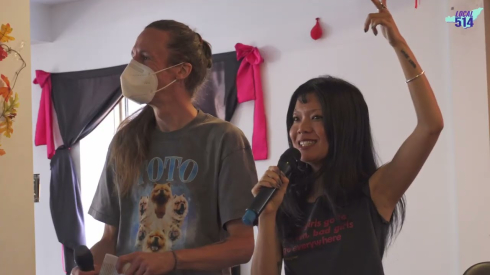
Montreal’s Defund Fest: honouring lives, building community
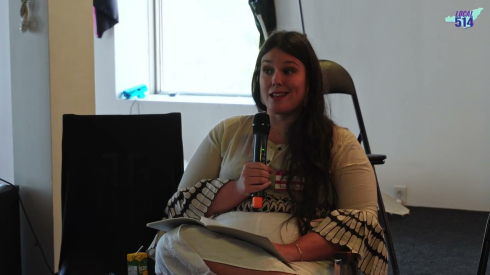
Montreal's Defund Fest: rethinking sex work and repression
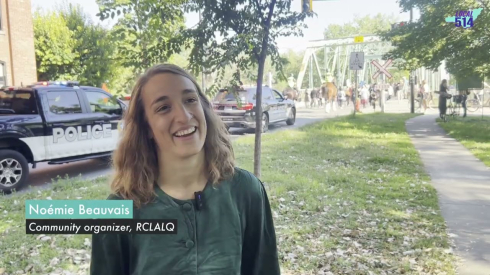
Montreal tenants push back: rent reform under fire





Commentaires
Nous encourageons les commentaires qui favorisent le dialogue sur les histoires que nous publions. Les commentaires seront modérés et publiés s'ils respectent ces lignes directrices:
Le portail des médias communautaires se réserve le droit de rejeter tout commentaire ne respectant pas ces normes minimales.