


- Start playing the video
- Click CC at bottom right
- Click the gear icon to its right
- Click Subtitles/CC
- Click Auto-translate
- Select language you want
At Issue: Canadian Mental Health Association Simcoe Branch on Barrie's Opioid Crisis
A key part of Canada’s opioid crisis is mental health. Substance abuse disorder affects about 21 per cent of Canadians -- and while opioids are a substance like
When that substance is alcohol or opioids, the level of danger rises exponentially: a tainted drug supply has led to over 17,000 deaths in Canada since 2017. The Canadian Institute for Substance Use Research reports that in 2018, there were 249 alcohol-related hospitalizations in Canada every day per 100,000 people.
However opioid use is especially complicated by lingering stigma and prejudice -- and that’s dangerous, says health professionals from the Canadian Mental Health Association’s Simcoe branch.
“We have both stigma and prejudice, and self-stigma,” said Kim Bray, Team Lead for the CMHA’s addictions services program. “Many people don’t feel like they are worthy of change, worthy of being well or deserving of that.”
Bray and her team members say this means people might be hesitant to seek help.
“We’re constantly challenging their own sense of stigma, while working externally with the community to bring a better understanding,” she said.
It’s a stigma that makes it hard for people to seek help, or reintegrate into a community which might not accept them. That’s a community, says Bray, which is largely misinformed about how and why people use drugs.
“Many people think illegal drug use is immediately an addiction -- and that’s not the case,” said Bray. “Many people use it for enjoyment, and can use it without it being problematic.”
And excessive use can’t be pinned on moral failings, or some sort of weakness, said Bray.
Addiction, she said, is a “symptom, but it's so intertwined with the other factors of life.” That misunderstanding impacts so much of how communities interact with harm reduction strategies for people who use opioids; like a supervised consumption site.
This conversation with the CMHA is part of BCM’s ongoing coverage of the Opioid crisis in Barrie. Through conversation with those in all areas of the fight against Opioid addiction and the toxic drug supply, we hope to add nuance and depth to the conversations happening in our city.
.
Add new comment

Barrie Community Media is a community-run news site operating out of downtown Barrie.
BCM began in 2020, with the goal of elevating community voices and conversations; empowering people to share their stories and engage with their local representatives.
Our coverage focuses on Barrie's City Hall and downtown, highlighting key conversations through long-form interviews and more.
We're always seeking to diversify our coverage and bring more perspectives to the table.
Help us shape the future of community news in Barrie:
Visit us online at barriecommunitymedia.ca to find out more and volunteer.
Recent Media

Tony Belcourt Brings Artists Together for Reconciliation Through Art

Truth, Land, Reconciliation: Barrie Walks as Annexation Debate Sparks Local Oro-Medonte Opposition
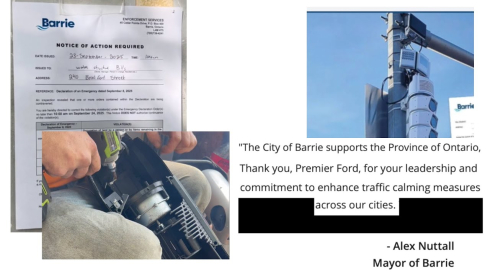
Barrie's Two Crises: Crackdown on Encampments Continues as City Ends Speed Enforcement Program





We encourage comments which further the dialogue about the stories we post. Comments will be moderated and posted if they follow these guidelines:
The Community Media Portal reserves the right to reject any comments which do not adhere to these minimum standards.