


- Start playing the video
- Click CC at bottom right
- Click the gear icon to its right
- Click Subtitles/CC
- Click Auto-translate
- Select language you want
Tiny Township Public Meeting Reveals Strong Opposition to Shoreline Bylaw Citing Overreach and Lack of Scientific Basis
Tiny Township Residents Push Back on Proposed Shoreline Regulations
This week, nearly one hundred residents gathered at Tiny Township’s Town Hall to weigh in on a set of proposed amendments that could significantly affect property modifications along the Georgian Bay shoreline. The public meeting was part of the township’s statutory consultation process, focused on draft regulations governing development in dynamic beach areas.
Initiated by the municipality, the proposed changes aim to update the Official Plan and zoning bylaws. A key element is a 45-meter (147 feet) setback from the 100-year flood level. Within this zone, permits would be required for most alterations — including routine activities like planting a flower bed, landscaping, or repairing existing structures.
Town officials say the new policy is designed to protect the environment, especially given the absence of a conservation authority in the region. But many residents voiced concerns about the scope and implications of the changes. Critics called the rules excessive, pointing to vague language, increased red tape, and possible impacts on property values.
Outside the meeting, conversations continued among attendees. Some expressed frustration at what they saw as unnecessary interference, while others supported the initiative in principle but called for revisions to make it more practical and site-specific.
Angela Vos, a Tiny resident and community advocate, told Simcoe Community Media the bylaw is “excessive,” and part of a broader pattern of targeting residents opposed to major township projects — including a controversial $25 million administration building that could balloon to as much as $75 million. Vos also criticized the township’s $4.5 million purchase of beachfront property without a proper appraisal, warning of long-term financial consequences. “The bylaw is excessive,” she said.
Karen Zulynik, another local resident and advocate, echoed concerns about the scientific basis for designating certain areas as dynamic beaches. She and others argued that shoreline conditions vary significantly, and the regulations should allow for more flexibility, including site-specific solutions and engineering alternatives.
During the meeting, some shoreline property owners said they felt unfairly singled out. While they acknowledged the importance of environmental protection, they argued that the proposed rules place unnecessary restrictions on long-time residents who have responsibly managed their land for years.
In response to the pushback, council presented a proposed tiered permit system:
-
No permit for minor maintenance, such as gardening or raking sand
-
Class 1 permits for small-scale projects like walkways and simple landscaping
-
Class 2 permits for moderate work, such as replacing stairs or retaining walls
-
Class 3 permits for major changes, including shoreline protection or in-water construction, subject to more rigorous review
While most attendees opposed the draft regulations, a smaller number expressed support, citing environmental protection and the need for oversight in the absence of a regional conservation body.
Opponents highlighted several key concerns:
-
Vague or unclear terminology, including the definition of “dynamic beach”
-
A one-size-fits-all 45-meter buffer with no clear scientific justification
-
Permit fees and administrative requirements seen as burdensome
-
Restrictions on maintaining or expanding heritage shoreline cottages
-
Lack of a formal appeal process beyond township staff or council
Councilor Dave Brunelle questioned the need for the full 45-meter buffer, suggesting a focus on the actual flood hazard zone might be more appropriate. Councilor Kelly Helowka and Deputy Mayor Sean Miskimins acknowledged that enforcement under current rules is weak, referencing a case where shoreline modifications negatively impacted neighboring properties with no municipal recourse.
No final decisions were made at the meeting. Council is expected to review the feedback and possibly vote on the proposed amendments at a special session scheduled for May 26, 2025.
Add new comment

Simcoe Community Media is a non-profit media organization based in Barrie, Ontario, specializing in civic journalism. Our mission is to foster an informed, connected, and vibrant community by amplifying diverse voices and perspectives, promoting transparency, and encouraging public discourse.
Recent Media

Tony Belcourt Brings Artists Together for Reconciliation Through Art

Truth, Land, Reconciliation: Barrie Walks as Annexation Debate Sparks Local Oro-Medonte Opposition
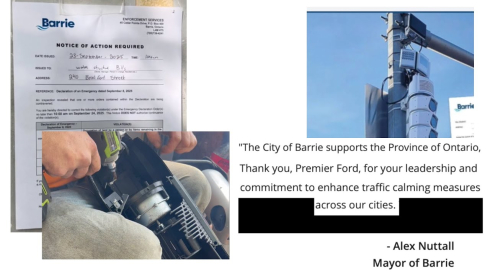
Barrie's Two Crises: Crackdown on Encampments Continues as City Ends Speed Enforcement Program


We encourage comments which further the dialogue about the stories we post. Comments will be moderated and posted if they follow these guidelines:
The Community Media Portal reserves the right to reject any comments which do not adhere to these minimum standards.