

- Mettre en route la vidéo
- Cliquer sur l’icône « CC » (Sous-titre) en bas à droite
- Cliquer sur l’icône « Settings » (Paramètre) en bas à droite
- Cliquer sur «Subtitles » (Sous-titres)
- Cliquer sur « Auto-translate » (Traduire automatiquement)
- Sélectionner la langue de votre choix
Bat Conservation, how you can help our flying featherless friends.
The recent COP15 conference in Montreal highlighted the importance of conserving nature and stopping species decline, now. International treaties require local work. Tri-Cities environmentalist, John Saremba is a local hero in this type of work, particularly when it comes to bats.
Ten to eleven species of bats are found in the Tri-Cities area - only 17 live in Canada - and as you will find out in this interview with Mary Furness, they are endlessly fascinating.
But they do require the help of community members. Urban sprawl, particularly into wetlands and forests, cause a loss of habitat for bats. Pesticide use also has caused a serious decline in bats, here and worldwide. The obvious solution is for local people to protect local natural areas and to stop using pesticides.
Saremba also shows how a bat box can be made, which can be used for a bat colony. You can put it up in a nearby tree or forest.
Bats, themselves, eat huge amounts of insects. In the United States, some farmers have stopped using pesticides relying instead on bats to kill pests. The annual saving to the economy has been 3 to 5 billion dollars annually.
If you think that bats are boring or scary, Saremba will soon disavow you of that view. There are many ways to learn to appreciate bats, according to him.
Both the municipality and the Burke Mountain Naturalists put on bat walks. From the local libraries, you can check out a 'bat bag' which is full of the stuff you need to find, see and identify bats. The bag also contains a small device you can attach to your cell phone that turns bats sonar sounds into sounds that can be heard by the human ear. Each species of bats has different sonar sounds, so the device can identify which bats are in the area from their sonar emanations.
Saremba has encyclopedic knowledge of bats. You learn amazing facts in this interview with Nancy Furnass. For example:
Of the 5,000 plus species of mammals known to man, over 1,400 are various species of bats.
Of the seventeen bat species in Canada between ten and eleven species live here in the Tri-Cities region.
Some local species migrate to the southern United States in winter.
Some bats have vision too. They can see the contours of landscape.
Tune in next time when Mr. Saremba joins us in studio to talk about the work that is being done here in British Columbia to minimize the impact of White-Nose Syndrome that has devastated bat populations around the world.
Ajouter un commentaire

Tri-Cities Community Television est un organisme à but non lucratif situé à Coquitlam, Port Coquitlam et Port Moody, en Colombie-Britannique. Tri-Cities offre une formation en techniques de production médiatique et permet aux voix de la communauté de se faire entendre.
Médias récents
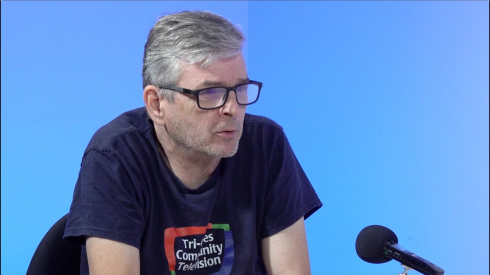
Keeping the Community in Community TV
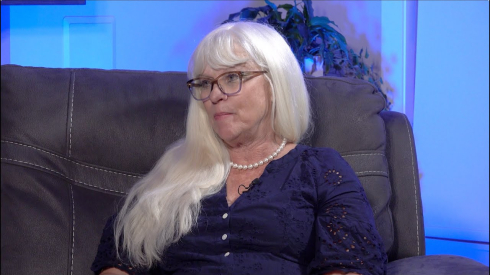
Face to Face with Councillor Nancy McCurrah: Practical Leadership for a Growing Port Coquitlam
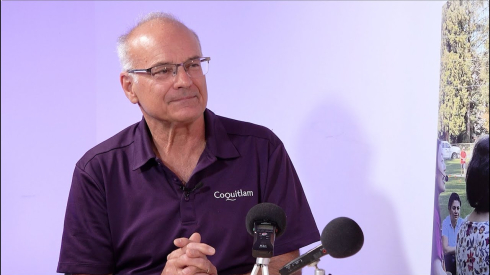
Coquitlam Mayor, Richard Stewart, Shares His Thoughts on Housing, Infrastructure and Homelessness
Commentaires
Nous encourageons les commentaires qui favorisent le dialogue sur les histoires que nous publions. Les commentaires seront modérés et publiés s'ils respectent ces lignes directrices:
Le portail des médias communautaires se réserve le droit de rejeter tout commentaire ne respectant pas ces normes minimales.