

- Mettre en route la vidéo
- Cliquer sur l’icône « CC » (Sous-titre) en bas à droite
- Cliquer sur l’icône « Settings » (Paramètre) en bas à droite
- Cliquer sur «Subtitles » (Sous-titres)
- Cliquer sur « Auto-translate » (Traduire automatiquement)
- Sélectionner la langue de votre choix
Family Ties of Hope: Breaking the Chains of Addiction
In this episode, Sherry, the host engages three experienced counsellors in a crucial discussion about addiction and substance use. The primary focus of their discussion is centered on the support and guidance available to families dealing with these challenging issues.
The conversation commences with Ali's insightful recap of the previous session, emphasizing the intricate relationship between addiction and mental health trauma. He underlines how traumatic experiences, such as abuse or loss, can trigger mental health issues, leading individuals to seek solace in substances, ultimately resulting in addiction. The importance of addressing both addiction and the underlying trauma for long-term recovery is highlighted. Also, addicted individuals can harm themselves in various ways due to their dependence on substances.
Poran explains addiction's core, what it means, and the signs families should watch for in their kids using substances. She stresses early intervention to stop problems from getting worse.
Ali continued by mentioning the importance of educating children about addiction, families can "Start Early, Use Clear Language: Explain dangers honestly. Highlight Consequences: Discuss health and relationships. Teach Resistance Skills: Empower them to say 'No'. Promote Healthy Coping: Encourage stress management. Media Literacy: Teach critical thinking about media. Reinforce Self-Esteem: Boost their confidence. Involve Trusted Adults: Let them know they can talk to you. Set Expectations: Establish clear family rules. Model Responsible Behavior: Be a role model. Encourage Empathy: Teach understanding and support. Stay Engaged: Keep talking as they grow."
Following this, Samira eloquently expounds on the paramount importance of seeking professional help for addiction. She elaborates on the expertise, safety, and tailored support that professionals provide in addiction treatment. Her discussion emphasizes the role of therapy, medication, and crisis intervention in the journey to recovery.
Poran says that addiction is recognized as a complex medical condition, often referred to as a substance use disorder. It should be treated as an illness because it involves changes in the brain and behavior. Effective treatment typically involves a combination of medical, psychological, and social approaches to address the physical, psychological, and social aspects of addiction. Viewing addiction as an illness helps reduce stigma, promote understanding, and encourages individuals to seek the help they need for recovery.
Ali also talked about A Help Kit for overdose, also known as a Naloxone Kit, available at pharmacies in some areas. It contains a medication to reverse opioid overdoses. It's easy to learn and use, with nasal sprays or auto-injectors. These kits are for anyone to have on hand and can be a lifesaver. They're part of community efforts to prevent opioid-related deaths and offer legal protection to those who use them.
Ali and Poran both discussed recognizing suicidal behavior: Watch for signs like talking about wanting to die, dramatic changes, giving away belongings, self-harm, isolation, substance abuse, or online posts. If you suspect a crisis: Ask about their feelings, stay with them, remove harmful items, encourage professional help or a crisis helpline, involve support, and keep checking in. Suicidal behavior is an emergency; prioritize safety and seek immediate help.
Lastly, the conversation delves into the cultural context of addiction within Iranian families, shedding light on the stigma and reputation concerns that can hinder open discussions. The imperative need to encourage open dialogues and reduce societal stigma is highlighted to effectively support those facing addiction challenges.
In summary, this episode provides a comprehensive exploration of addiction and substance use, the vital role of professional support, and the importance of open conversations within families and communities to address these issues effectively.
Guest Speakers:
Ai Khodami: Registre Clinical Counsellor, Psychotherapist
Poran Poregbal : MA,RSW, Doctorate in counselling and psyotherapy
Samira Gholami : BA, MA, Candidate
Journalist: Sherry Soltani
Skyrise Media Society
Ajouter un commentaire

Skyrise Media is committed to reflecting the diversity and richness of the local community by providing programming in multiple languages and covering a wide range of topics in greater Vancouver.
Médias récents

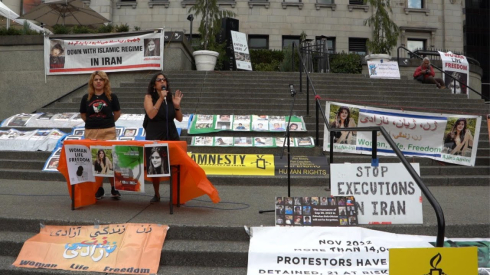
Students Build a Bridge to Hope: UBC Club Launches Simorgh Foundation for Iranian Education
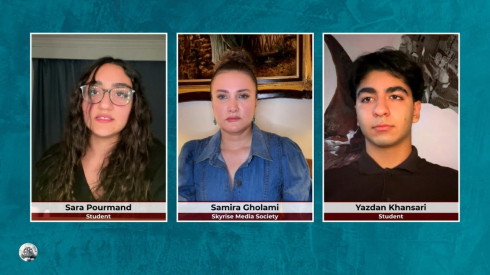
Teen Voices: A Call for Safer Public Spaces in Vancouver

From Immigrant Struggle to Community Cornerstone
Commentaires
Nous encourageons les commentaires qui favorisent le dialogue sur les histoires que nous publions. Les commentaires seront modérés et publiés s'ils respectent ces lignes directrices:
Le portail des médias communautaires se réserve le droit de rejeter tout commentaire ne respectant pas ces normes minimales.