

- Mettre en route la vidéo
- Cliquer sur l’icône « CC » (Sous-titre) en bas à droite
- Cliquer sur l’icône « Settings » (Paramètre) en bas à droite
- Cliquer sur «Subtitles » (Sous-titres)
- Cliquer sur « Auto-translate » (Traduire automatiquement)
- Sélectionner la langue de votre choix
Toronto’s Safe Injection Sites Set to Close: A Community Divided
By Gabriel Meissner
Gabriel is a Community Journalist at Focus Media Arts Centre
Premier Doug Ford’s government has announced plans to close 10 of Ontario’s 23 supervised drug consumption sites by March 2025, targeting those located near schools and childcare centers. Ford asserts that the closures are necessary to protect children from exposure to drug use and the potential dangers of discarded needles in public spaces. Additionally, he argues that these sites have not demonstrated a significant impact on improving addiction outcomes and may contribute to issues in surrounding neighbourhoods. As an alternative, the government will introduce 19 new Homelessness and Addiction Recovery Treatment (HART) hubs, which aim to provide a broader spectrum of addiction and homelessness services but will not include supervised drug consumption.
The government’s decision has sparked widespread debate, with public health advocates, community leaders, and harm reduction workers voicing concerns over the potential consequences. Many experts argue that supervised consumption sites play a critical role in reducing overdoses, preventing the spread of infectious diseases, and connecting people with healthcare and addiction treatment services. The closures, they fear, will push drug use back into unsafe and unsupervised environments, increasing the risk of overdose deaths and public health crises.
In this Regent Park TV video, we delve into the impact of these impending closures on communities like Regent Park, which has long grappled with addiction, homelessness, and public health challenges. The video features street interviews with downtown residents, highlighting firsthand perspectives on how these sites have affected their neighbourhoods. Many residents express concerns that without these services, people who rely on them will be left without safer alternatives, leading to more public drug use and overdoses.
We also speak with Consumption and Treatment Service (CTS) workers who provide harm reduction services at these sites. They emphasize the importance of supervised consumption spaces as part of a comprehensive public health strategy, noting that these sites do more than provide a safe space to use drugs—they connect individuals with critical medical and social services that can help them stabilize their lives. For many, supervised consumption sites are an entry point to healthcare, housing support, and addiction treatment programs. Workers stress that removing these sites without adequate replacements will disrupt established networks of care and force people into more precarious situations.
MPP Kristyn Wong-Tam, a vocal advocate for harm reduction, also provides insight into the broader implications of these closures. They challenge the government's reasoning, arguing that supervised consumption sites have been effective in saving lives and reducing strain on emergency medical services. Wong-Tam highlights research showing that these sites reduce fatal overdoses, lower rates of public drug use, and improve connections to long-term treatment. They caution that eliminating these services without strong, evidence-based alternatives could exacerbate the opioid crisis and lead to an increase in preventable deaths.
As this debate unfolds, questions remain about how best to balance public safety with the urgent need for harm reduction and addiction treatment. While the Ford government promotes HART hubs as a solution, critics argue that without supervised consumption, these new centers may not adequately serve those most at risk. The uncertainty surrounding these changes has left many wondering whether Ontario is moving forward with a strategy that prioritizes public health or one that risks worsening an already dire crisis.
With overdose deaths continuing to rise across the province, the decision to close these sites comes at a critical time. Communities, healthcare workers, and policymakers must now navigate the complex realities of addiction treatment and public safety, weighing the evidence and lived experiences of those affected. As Ontario prepares for these closures, the future of harm reduction and addiction services remains uncertain, and the lives of many vulnerable individuals hang in the balance.
Ajouter un commentaire

Focus Media Arts (anciennement Regent Park Focus) est un organisme à but non lucratif qui a été créé en 1990 pour contrer les stéréotypes négatifs sur la communauté de Regent Park et fournir des interventions aux jeunes à haut risque vivant dans la région.
Nous sommes motivés par la conviction que les pratiques médiatiques participatives peuvent jouer un rôle vital pour répondre aux besoins locaux et aux priorités de développement, ainsi que pour soutenir le travail de construction et de maintien de communautés saines.
Aujourd'hui, le centre des arts médiatiques FOCUS sert de centre d'apprentissage communautaire pour les nouveaux médias, les arts numériques et la radiodiffusion et la télévision. Nous fournissons un établissement communautaire dédié à la formation et au mentorat des jeunes et à l'engagement des membres de la communauté de tous âges.
Médias récents
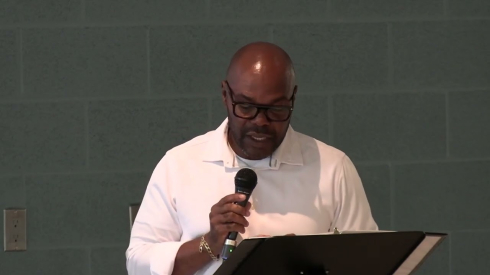
Regent Park Town Hall: Councillor Chris Moise Updates Residents on Key Issues

Regent Park Marks 34th Annual Sunday in the Park Celebration
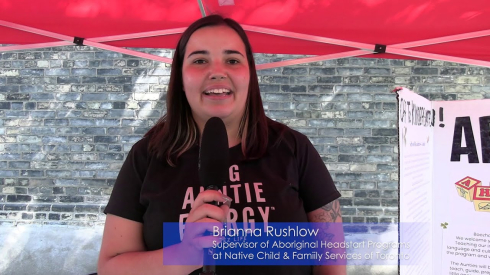
Building Healing Pathways for Families: Inside Native Child’s Work in Toronto
Commentaires
Nous encourageons les commentaires qui favorisent le dialogue sur les histoires que nous publions. Les commentaires seront modérés et publiés s'ils respectent ces lignes directrices:
Le portail des médias communautaires se réserve le droit de rejeter tout commentaire ne respectant pas ces normes minimales.