

- Mettre en route la vidéo
- Cliquer sur l’icône « CC » (Sous-titre) en bas à droite
- Cliquer sur l’icône « Settings » (Paramètre) en bas à droite
- Cliquer sur «Subtitles » (Sous-titres)
- Cliquer sur « Auto-translate » (Traduire automatiquement)
- Sélectionner la langue de votre choix
The Mental and Social Impact of Obesity on Young People
The mental health crisis in obesity among young people in Vancouver is more than a health concern—it is a growing civic issue with deep social and economic roots. It affects not just individuals but entire communities, shaping future generations' well-being. The increasing prevalence of obesity is tied to food insecurity, mental health struggles, and social inequality. Without proper intervention, the crisis will continue to impact educational outcomes, workforce potential, and the healthcare system. Addressing this issue is crucial for fostering a healthier, more resilient society.
Sherry Soltani – Local Journalism Initiative
Sherry invited three experts to discuss the complexities of obesity: Samira Gholami, a psychotherapist; Dr. Majid Pourmand, a cardiologist and natural medicine specialist; and Dr. Madjid Cohan, a family physician.
Sherry opens the conversation that; This is a crisis that doesn’t just affect individuals—it affects families, schools, workplaces, and the entire community. If we don’t act now, we risk leaving an entire generation to battle both the physical and emotional consequences of obesity without the support they deserve."
Samira Gholami spoke about the psychological toll."We are in the midst of a youth mental health crisis, and obesity is both a cause and a consequence of that crisis." "We are in the midst of a youth mental health crisis, and obesity is both a cause and a consequence of that crisis."
Dr. Pourmand then addressed the societal factors. “Food insecurity plays a major role. Processed meals are the easiest option for low-income families, leading to long-term consequences. Financial stress also contributes to emotional eating.” He pointed out how marketing targets vulnerable communities, shaping lifelong unhealthy habits.
Samira added: “Obesity isn’t just about weight—it’s about identity, self-worth, and how society perceives you. Social media promotes unrealistic beauty standards, making young people feel like failures.” She highlighted how Body Dysmorphic Disorder (BDD) leads to self-criticism and isolation.
Dr.Cohan discussed medical causes. “Obesity isn’t just about overeating. Hormonal imbalances, chronic stress, and trauma contribute. If we don’t treat the root causes, we fail our patients.”
Dr Cohan said: "We have to stop blaming individuals and start addressing the systemic issues. Many of my patients want to make healthier choices, but they don’t have access to affordable, nutritious food or safe spaces to exercise. We need a healthcare approach that focuses on prevention, early intervention, and long-term support, rather than just treating the symptoms after the damage is done." “Obesity isn’t just about overeating. Hormonal imbalances, chronic stress, and trauma contribute. If we don’t treat the root causes, we fail our patients.”
DR Pourmand said: Historically, obesity was not as widespread as it is today. Changes in our food production, urban lifestyles, and decreasing physical activity have led to an increase in obesity rates over the decades. In the past, food was less processed, meals were home-cooked, and people naturally moved more dailys. We are surrounded by high-calorie, low-nutrient foods, and many young people spend hours sitting in front of screens instead of engaging in physical activities."
Sherry concluded, “This is not just a personal issue—it’s a community issue. If we want a healthier future for our youth, we must listen, educate, and act.” The conversation is a call to action for policymakers, educators, and communities to break the cycle of obesity and its mental health effects.
Comment
from our discussion made at this time.
Ajouter un commentaire

Skyrise Media is committed to reflecting the diversity and richness of the local community by providing programming in multiple languages and covering a wide range of topics in greater Vancouver.
Médias récents
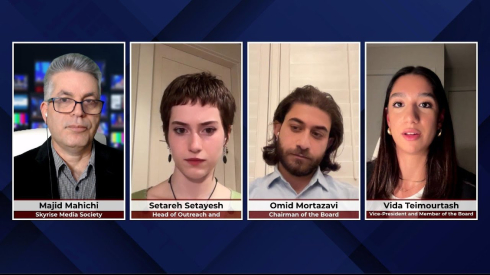
Students Build a Bridge to Hope: UBC Club Launches Simorgh Foundation for Iranian Education
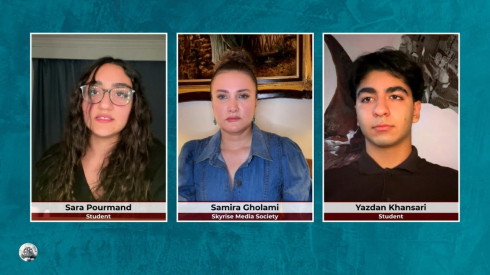
Teen Voices: A Call for Safer Public Spaces in Vancouver

From Immigrant Struggle to Community Cornerstone
Commentaires
Nous encourageons les commentaires qui favorisent le dialogue sur les histoires que nous publions. Les commentaires seront modérés et publiés s'ils respectent ces lignes directrices:
Le portail des médias communautaires se réserve le droit de rejeter tout commentaire ne respectant pas ces normes minimales.