


- Mettre en route la vidéo
- Cliquer sur l’icône « CC » (Sous-titre) en bas à droite
- Cliquer sur l’icône « Settings » (Paramètre) en bas à droite
- Cliquer sur «Subtitles » (Sous-titres)
- Cliquer sur « Auto-translate » (Traduire automatiquement)
- Sélectionner la langue de votre choix
SHJN and TUHU Report: 766 Homeless Deaths in Toronto Demand Urgent Action
Toronto's Homeless Crisis: Report Condemns City’s Response as Death Toll Rises
By Fred Alvarado | Community Journalist, FOCUS MEDIA ARTS CENTRE
A newly released report from the Shelter Housing Justice Network (SHJN) and the Toronto Under-housed and Homeless Union (TUHU) delivers a stark indictment of Toronto’s approach to homelessness. The report highlights a devastating statistic: 766 homeless individuals have died in the city over the past three years, a crisis that advocates say has been met with inadequate action.
Toronto Public Health data reveals that in just the first half of 2024, 135 unhoused people lost their lives—an alarming figure that underscores the urgency of the issue. Drug toxicity, particularly opioid overdoses, remains the leading cause of death. The city has also revised its previous statistics, now confirming that 331 people died while homeless in 2022, followed by 300 in 2023. These numbers illustrate an unrelenting public health emergency that continues to take lives at an alarming rate.
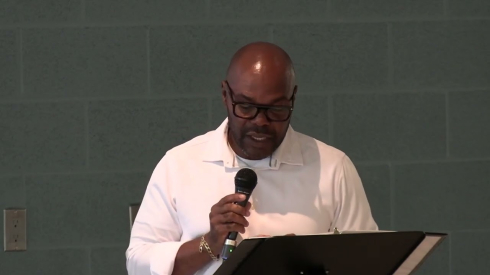
At a press conference moderated by longtime outreach worker Greg Cook, frontline advocates and individuals with lived experience of homelessness spoke out about the dangers faced by those living on the streets and in the city’s shelter system. Among them were Lynn Walker and Jennifer Jewell, both of whom shared personal stories of survival and loss.
Walker, who spent two years living in encampments, described witnessing the deaths of friends due to violence, hypothermia, and lack of access to basic necessities. “Every winter, we see people freeze to death in this city,” she said. “How many more names do we have to add to the list before something changes?”
Jewell, a wheelchair user, highlighted the lack of accessibility in Toronto’s shelter system and housing options. She described repeated experiences of being turned away from shelters that could not accommodate her needs, forcing her to sleep in unsafe conditions. Advocates argue that Toronto’s failure to provide accessible shelter spaces represents a blatant disregard for the rights of people with disabilities. As part of their demands, they are calling for an update to the Ontario Building Code to mandate truly accessible housing for those with mobility challenges.
The SHJN and TUHU report lays out 29 urgent recommendations, including:
- The immediate expansion of 24/7 warming centers to prevent cold-related deaths.
- Increased funding and availability of rent-geared-to-income housing.
- The repeal of hostile policies that criminalize encampments and force people into unsafe living conditions.
- An overhaul of shelter intake policies to make them more inclusive, particularly for disabled individuals, trans people, and other marginalized groups.
The crisis is particularly severe in Toronto’s Downtown East, where neighbourhoods like Regent Park have long struggled with the compounding effects of poverty, housing instability, and health disparities. Residents in these communities are disproportionately affected by the city’s housing crisis, with many living on the brink of homelessness themselves. As rental costs skyrocket and social assistance programs fail to keep pace with inflation, the situation is only expected to worsen unless urgent policy changes are implemented.
Despite repeated calls for action, advocates argue that the city has failed to respond with the necessary urgency. “We’re not just talking about statistics,” said Cook. “We’re talking about real people—people who had families, dreams, and futures. Every single one of those 766 deaths was preventable.”
While Toronto officials have acknowledged the severity of the crisis, many activists feel that city policies continue to prioritize enforcement and displacement over real solutions. The forced clearing of encampments, they argue, has only deepened the problem by pushing vulnerable people into even more dangerous situations without offering them viable alternatives.
The growing pressure from advocacy groups signals that the fight for housing justice in Toronto is far from over. With colder months ahead and shelters already at capacity, the demands outlined in this report could mean the difference between life and death for many. Addressing homelessness is not just about reducing numbers—it is about safeguarding lives, protecting dignity, and ensuring that no Torontonian is left behind.
Ajouter un commentaire

Focus Media Arts (anciennement Regent Park Focus) est un organisme à but non lucratif qui a été créé en 1990 pour contrer les stéréotypes négatifs sur la communauté de Regent Park et fournir des interventions aux jeunes à haut risque vivant dans la région.
Nous sommes motivés par la conviction que les pratiques médiatiques participatives peuvent jouer un rôle vital pour répondre aux besoins locaux et aux priorités de développement, ainsi que pour soutenir le travail de construction et de maintien de communautés saines.
Aujourd'hui, le centre des arts médiatiques FOCUS sert de centre d'apprentissage communautaire pour les nouveaux médias, les arts numériques et la radiodiffusion et la télévision. Nous fournissons un établissement communautaire dédié à la formation et au mentorat des jeunes et à l'engagement des membres de la communauté de tous âges.
Médias récents
Regent Park Town Hall: Councillor Chris Moise Updates Residents on Key Issues

Regent Park Marks 34th Annual Sunday in the Park Celebration

Building Healing Pathways for Families: Inside Native Child’s Work in Toronto



Commentaires
Nous encourageons les commentaires qui favorisent le dialogue sur les histoires que nous publions. Les commentaires seront modérés et publiés s'ils respectent ces lignes directrices:
Le portail des médias communautaires se réserve le droit de rejeter tout commentaire ne respectant pas ces normes minimales.